Introduction
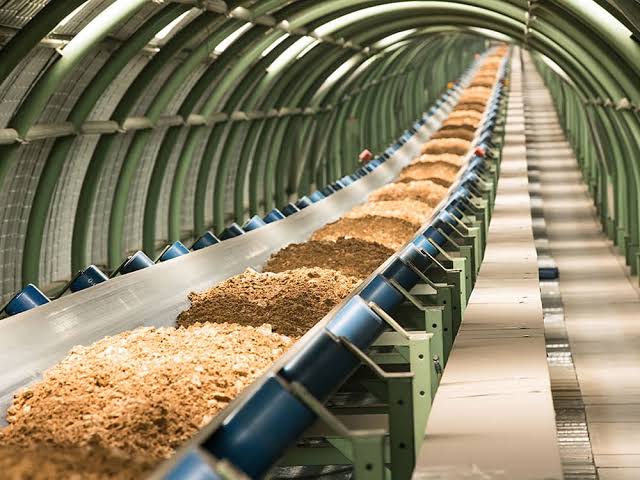
Trough belt conveyors move coal, ore, sand, grain, cement, and recyclable materials across demanding sites. Their curved belt profile contains loose loads while idlers support continuous travel. Good results depend on correct loading, regular inspections, accurate alignment, clean transfer points, and controlled shutdowns. A planned care routine reduces spillage, limits unplanned stoppages, and protects workers. Operators who track belt speed, capacity, wear, and energy use can improve output while extending equipment service life.
Establish Correct Loading Conditions
Trough Belt Conveyors suit high-volume handling across mining, agriculture, construction, and recycling. Their trough shape keeps bulk material centred during horizontal or inclined travel. Before startup, operators should confirm belt width, troughing angle, speed, and load density match the planned duty. A 20 to 35-degree angle often suits grain or sand, though material flow characteristics remain important.
Inspect Before Each Shift
A pre-start inspection should cover belt surfaces, idler frames, guards, scrapers, skirt seals, pulleys, and emergency stops. Operators should look for frayed edges, trapped debris, loose fasteners, unusual gaps, or damaged covers. Each finding needs a recorded action and completion date. Short checks before every shift can identify faults before heat, load, or speed causes wider damage.
Load the Belt Evenly
Material should enter near the belt centre, with a controlled flow that avoids sudden impact. Transfer chutes need enough clearance to prevent blockages and reduce material bounce. Excessive loading can overload drives, increase belt stretch, and cause spillage at the sides. A stable feed rate supports consistent capacity, cleaner operation, and more predictable motor performance.
Maintain Belt Alignment
Tracking problems often begin with uneven loading, seized rollers, poor frame level, or build-up on pulleys. Maintenance teams should check belt position along the carrying and return runs. Self-aligning idlers can assist, but they cannot correct damaged structures or careless feeding. Small adjustments should occur gradually, followed by observation under normal load.
Protect Rollers and Idlers
Idlers should rotate freely without grinding sounds, excessive heat, or side movement. Sealed bearings need replacement if contamination or wear becomes evident. Return rollers require attention because carryback can form thick deposits around their surfaces. A clean roller set lowers resistance, limits belt damage, and helps maintain steady tracking across long runs.
Control Spillage and Dust
Skirting should contact the belt correctly without creating excessive friction. Primary and secondary scrapers must remove carryback before material reaches return components. Enclosures, covers, and suitable extraction systems can reduce airborne dust near transfer points. Housekeeping teams should remove accumulated product around frames, walkways, and drives after isolation procedures are complete.
Schedule Lubrication and Wear Checks
A maintenance calendar should identify each bearing, gearbox, pulley, and drive component requiring service. Lubricant quantity must follow the manufacturer’s specification, since over-greasing can create heat and seal failure. Belt thickness, splice condition, scraper edges, and skirt rubber also need periodic measurement. Replacing worn parts early usually costs less than repairing collateral damage.
Apply Safe Shutdown Procedures
Emergency stops require testing at planned intervals, with results entered into a site register. Before isolation, operators should clear remaining material where practical and follow lockout procedures. Guards must remain fitted during normal operation. No person should reach across a moving belt or remove a blockage without verified isolation, stored-energy release, and authorised access.
Record Performance Data
Useful records include operating hours, belt speed, tonnes handled, motor current, stoppage duration, and fault type. Comparing these figures over several weeks can reveal rising resistance or declining throughput. Site teams can then adjust loading rates, schedule component replacement, or review transfer design. Clear data also supports budget planning and evidence-based maintenance decisions.
Conclusion
Reliable conveyor performance comes from disciplined daily habits rather than occasional repairs. Operators should inspect components, centre incoming material, monitor tracking, remove carryback, and record every significant fault. Maintenance planners can use measured wear, capacity, and stoppage data to set practical service intervals. Safe isolation remains essential during cleaning and repair. With consistent care, trough belt conveyors can transport heavy, loose products efficiently across demanding industrial applications while supporting longer equipment life.