Construction work in Melbourne doesn’t always happen on wide-open sites. Plenty of jobs take place in tight laneways, fenced-off backyards, or cramped inner-city blocks where large trucks can barely fit. That’s exactly when reliable concrete pump hire starts to matter. The pump a contractor chooses can shape how the entire pour goes, from setup through to finish. For builders and contractors dealing with confined spaces across Melbourne and other parts of the country, it’s a decision worth getting right because it affects timelines, costs, and the quality of the finished slab.
Why Narrow Access Sites Demand Specialised Equipment
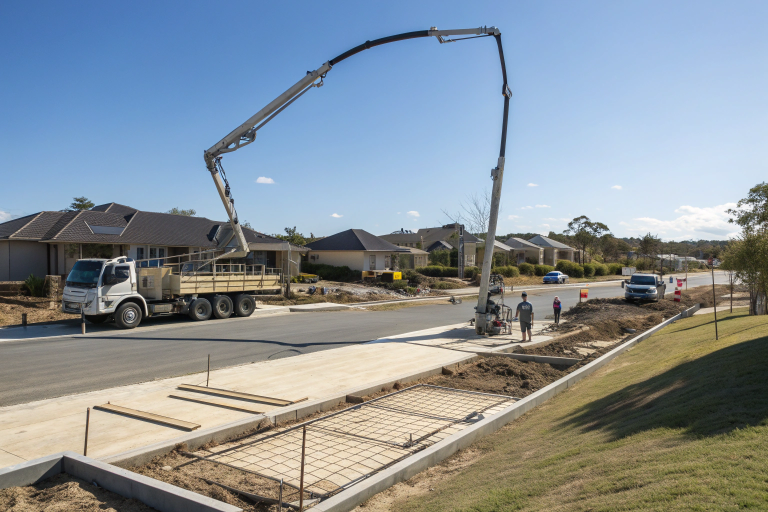
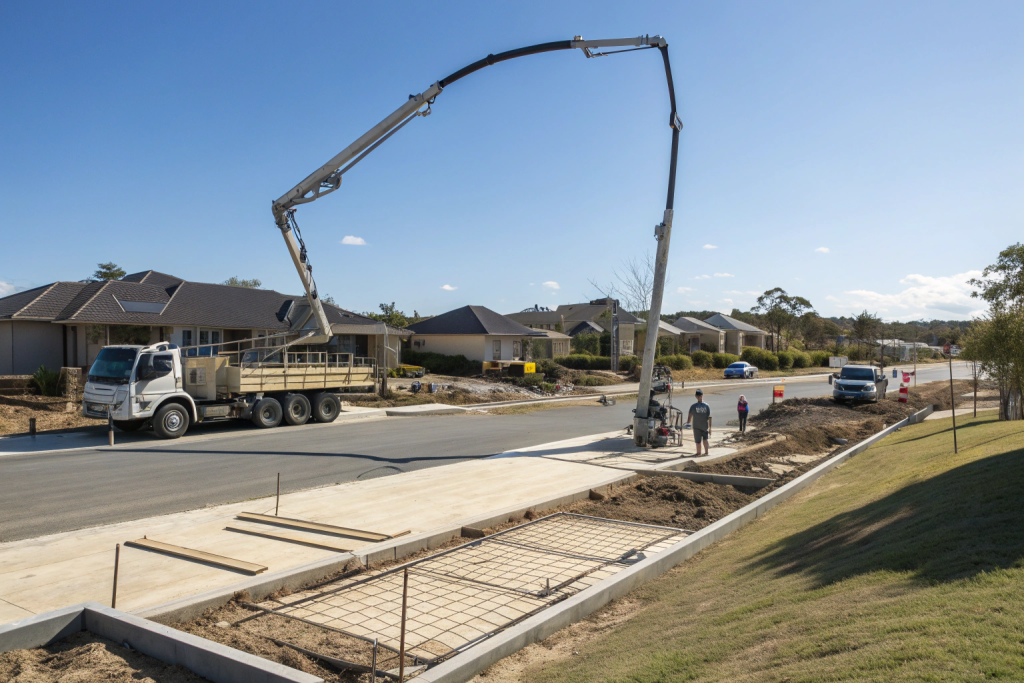
A straightforward concrete pour is easy enough. But properties with skinny driveways, fenced-in yards, or multi-level builds bring unexpected hurdles for standard delivery trucks. Line pumps handle these situations well. Providers offering concrete pump hire Melbourne services use smaller, more adaptable equipment that can reach spots a boom pump has no chance of getting to. That applies to suburban renovations and tight inner-city builds alike.
There’s also a volume argument. The Australian Bureau of Statistics noted that building work done across Australia was 8.1% higher in the December quarter of 2025 than it had been at the same point the year before. More projects are being squeezed onto smaller or oddly shaped lots, and that trend makes narrow-access pumping less of a specialty and more of an everyday need.
Here are a few situations where the right equipment really proves its worth:
- Residential extensions where the only way in is through a narrow side gate
- Pool builds in backyards hemmed in by fences and with no rear lane
- Retaining walls on sloped blocks that leave little clearance for machinery
- Concrete pours to be executed in basements in tightly packed multi-storey developments
Matching the pump to the site means less manual handling and a more even flow of concrete where it’s needed.
Cost and Time Savings That Add Up Quickly
A concrete pump that fits the access conditions of a site can trim costs in ways that aren’t always obvious at first glance. Think about the alternative. Wheelbarrowing concrete by hand is slow and exhausting, and it introduces inconsistencies. A pump, on the other hand, delivers material straight to the formwork at a steady rate.
There’s also the time factor. A faster pour means fewer hours on-site for the whole crew. It reduces the risk of cold joints, too, which happen when one layer of concrete starts to harden before the next batch goes down.
The savings tend to show up in a few key areas:
- Labour costs drop because fewer hands are needed on the ground
- Less concrete goes to waste from spillage or from batches setting too early
- Hire periods for formwork, scaffolding, and temporary gear get shorter
- Neighbours are less likely to lodge complaints with the council over prolonged noise or disruption
On tight-margin residential jobs across Melbourne, these aren’t small details. They’re the difference between a job that runs to budget and one that doesn’t.
Choosing the Right Provider for the Job
Price matters, but it shouldn’t be the only thing driving the decision. Equipment reliability and operator skill carry just as much weight. If a pump fails halfway through a pour, the consequences go well beyond a schedule delay. Concrete doesn’t wait around. Once it leaves the batch plant, the clock is ticking. A stoppage can mean wasted material and a compromised pour.
A few things are worth checking before locking in a provider:
- Do they offer line pumps built for confined residential and commercial sites?
- How old is the equipment, and how well is it maintained?
- Are the operators experienced with the kind of site conditions common around Melbourne?
- Can they accommodate short-notice bookings during busy stretches of the construction calendar?
It’s also worth asking about reach and output. A line pump capable of pushing concrete through 100-plus metres of pipeline is useful when the truck has to park a fair distance from the pour zone. Operators who know how to thread hoses through tight corridors save real time during setup and pack-down.
One more thing that often gets overlooked: a provider who visits the site beforehand can flag access problems before the day of the pour. That kind of planning prevents the sort of surprises that throw a whole schedule off.
Conclusion
Narrow access sites are a fact of life for builders working across Melbourne’s suburbs and inner-city pockets. They don’t need to be a problem, though. With the right concrete pump hire, even the most confined pour can run smoothly and on schedule. What matters most is finding a provider with well-maintained gear, capable operators, and a habit of showing up on time. As construction activity across Australia keeps climbing, that kind of reliability isn’t a luxury. It’s a baseline expectation for any builder serious about doing quality work.